Ways to Protect Your Credit Cards

If you’ve ever been a victim of identity theft, you know it’s awful. Between the time it takes to get everything corrected and the stress it causes – it’s definitely a spot you’d like to avoid if you can. Though nothing is fool proof, there are several ways in which you can protect your finances. Here are a few that pertain to keeping your credit card information safe from fraud.

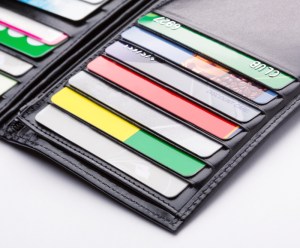
Secure all your cards: If your wallet is ever stolen and you lost every card, think about what a nightmare it would be to have to cancel and replace them all. Really consider this the next time you leave home. Try to only take the cards you absolutely need and keep the rest in a secure location like a safe or locked drawer. Try to also minimize the amount of cash you have on you as well and only bring what you need. This way if your wallet gets lost or stolen, you aren’t literally losing everything.

Pay attention: It might be difficult to keep track of a criminal’s activities in real-time, but you can check on your accounts regularly. Today’s smartphone banking and credit card apps really make it easy and fast to check on all your accounts and look for fraudulent transactions. If you’re keeping track of your spending and looking at your accounts daily, you’ll know the minute something happens that looks out of the ordinary. Checking on your accounts every day also helps you monitor your monthly budget and spending habits too.

Opt for being more high-tech: Have you ever used your smartphone’s digital wallet? Many retailers are set up to take payments via Apple Pay and Google Pay, and it’s very easy to use. EMV chips in your credit and debit cards also make transactions more secure and prevent card skimming as well. When shopping online, if PayPal or your phone’s digital wallet are options for payment over entering your card number – always go that route.

Using the above tips can help protect your financial information and really save you from an identity theft headache. Also be weary when using an ATM or paying for gas at the pump – be sure to check for any skimming devices before inserting your card. If something seems off to you, it probably is. Read about how to spot a skimming device in our guidebook here.

T.H.I.N.K First because There’s Harm In Not Knowing!

Article Source: John Pettit for CUInsight.com

‘Tis the Season (for Holiday Fraud)

The best time of the year is here, but it’s also a time of year when fraud increases too. If you are doing any sort of holiday shopping, be aware of the following scam tactics designed to steal your personal and financial information:

E-Skimming – This is what happens when a scammer gets control of an unsecure link within a website that you may be shopping on. Without even realizing it, you could be redirected to a malicious domain where a skimming code can capture your personal and financial information as you are making your purchase online. Such a skimming code would be sent to a remote server in real time where fraudsters would be collecting all your personal data. This data is often sold and then used to make fraudulent purchases in your name afterward. Before you click on any links in emails or on the web – make sure it’s a secure website (you’ll see an https at the top) and only open emails from trusted sources.

Social Media Scams – Sometimes social media platforms are used to set up a fake online store. The site will feature advertising messages and take payments, but unfortunately you will never receive what you ordered and your financial information may also be compromised in the process. When following a brand on social media, look to see if it’s a verified business (blue check mark in the profile) and look to see their website and contact details, number of followers, and the like. If something seems off or too good to be true, it probably is.

Porch Pirates – This is a big time of year when delivered packages often disappear from the doorstep of unsuspecting homes and businesses. Be sure to track anything ordered as it ships to you, look for a delivery confirmation from the retailer, and try to not leave packages out on your porch for hours on end. If you are going to be away from home when a package is delivered, ask a trusted neighbor or family member to pick it up and hold it for you.

Shipment Update Scam Emails – You may find that a fraudster sends you a fake email that tells you your item failed to deliver and then asks you for updated shipping and contact information. This is a scam! The email may look legit (though you will usually find a fake or unusually long email address with a slightly different domain name), but it often contains a link with malware that will steal your personal information if you click on it. The original retailer has all of this contact information and will not ask you for it again.

Donations to Fake Charities – Scammers know that people love to give back this time of year. A donation scam will often duplicate a charity website and get you to click on a link (which is malware) to donate money. Instead of going to the actual charity, your donation goes right into the pocket of a criminal. Do your research before you donate, ensure the site is legitimate and verified.

Additional steps you can take to help prevent fraud this holiday season:

  • Sign up for transaction alerts to receive emails and/or texts for all your credit and debit cards.
  • Pay careful attention to links in emails and on websites.
  • Try to avoid entering card information into website forms. Instead use PayPal or a digital wallet like Apple or Google Pay when you can.
  • Make sure your home computer and mobile devices have anti-virus protection and a firewall.
  • Only shop on well-known and verified websites when buying online.
  • Go directly to a retailer’s website yourself instead of through a social media ad.
  • Look for skimming devices at the ATM or a gas station pump.
  • Monitor your bank accounts on a daily basis and if you see a purchase that was not made by you, report it to your financial institution right away.

Follow the above tips for an enjoyable, safe, and risk free holiday season. Think First!


How to Keep Holiday Shopping Happy (and Safe)

Keep your holiday shopping merry and bright with these tips to help you watch your wallet, shop smart, and protect your personal and financial information.

  • Make a list and a budget. Impulse purchases (ahem, gifts for yourself) are less tempting when you have a set plan. Consider how much you’re willing to put on your credit card this holiday season, and how long it will take to pay it off. If money is tighter this year, paying for a gift over time with a layaway option may be a smarter move. Or if you can save up enough cash before you shop, that is an ideal option.
  • Do your research. Read reviews and recommendations about products, the seller, and warranties from trusted sources. If you’re shopping online, read reviews to see if items were never delivered or not as advertised. Are you donating to a charity this holiday season? Look into all the details first to make sure it’s legitimate.
  • Look for the best deals. Check out websites that compare prices for items that you are looking to buy. Be sure to also check out shipping costs for online orders and factor that into your budget. Search for coupon codes by looking up a particular store’s name along with terms like “coupons,” “discounts,” or “free shipping.” To save extra money later on, keep an eye out for rebates on your purchases.
  • Keep track of your purchases. Make sure you were charged the correct amount, and save all your receipts. If you shop online, keep copies of your order number, the return policy, and shipping costs. Be sure your packages are delivered to a secure location or pick them up at your local store. Gift cards should be treated like cash and stored in a safe place.
  • Don’t give out personal information. Protect yourself online by shopping only on secure websites with an “https” web address. Look to see what shopping apps and websites do with your personal data and how they keep it secure. Avoid any offer, phone call, text message, or email that asks you to give out your personal or financial information – no matter how great it may sound. It is most likely a scam trying to steal your identity and financial data.

Follow these five steps and you won’t have anything to worry about this holiday season (aside from figuring out how long it might take you to wrap up all those great holiday deals you purchased).

Article Source: Gretchen Abraham for consumer.ftc.gov

5 Steps to Protect Yourself from Identity Theft

According to a survey done by Bankrate.com, 41 million Americans have been victims of identity theft. Most Americans aren’t taking the necessary steps to protect themselves until it’s too late. For those unfortunate enough to have had firsthand experience, it’s a scary experience that can take years to fix. And in the process, your finances can get destroyed. Before this happens to you, it’s important to take the steps to safeguard yourself from identity theft. Here’s what you should do:

Closely Monitor Your Bank Statements

Most people hardly ever check their credit card or bank statements. If your account information is compromised, you might not even know about it until it’s too late. Be proactive – it’s best to check your statement monthly. You should also make it a habit to log into your accounts at least once a week to review the transactions and see if anything looks off. The earlier you catch any unauthorized transactions, the easier it will be for you to dispute the discrepancies with your financial institution.

Check Your Credit Report Yearly

You are legally entitled to a free credit report every year from each of the three major credit bureaus, TransUnion, Experian, and Equifax. Take advantage of this. Your credit report can change often so it’s important you know what’s going on, especially if you plan on making a large purchase or taking out a significant loan in the near future. AnnualCreditReport.com is a good place to get started. There are many other websites that offer free credit reports, but they may charge you fees after a period of time so be sure to always read the fine print.

Strengthen Your Passwords

We share so much on the internet. Most of us are on at least one social network, if not more. We also depend on the internet to do much of our shopping and banking. While it’s a great convenience, it’s also dangerous as well. Many hackers prey on unsuspecting internet users and shoppers. Before you post something on a social profile, be careful what you share – especially if it contains any personal information. Also, use strong passwords containing a mix of capital and lowercase letters, numbers and symbols. You should also periodically change your passwords as well, especially for sensitive accounts such as your email and bank account.

Secure Sensitive Documents

Paper trails can be just as dangerous as digital ones. Keep your sensitive documents in a safe place in your home, ideally in a locked cabinet or safe. If you need to get rid of any documents with sensitive information on it, be sure to shred them beforehand to prevent them from getting into the wrong hands.

Don’t Give Out Personal Information

If something sounds fishy or phishy, it probably is. Don’t fall victim to a phishing scam. If you receive any requests for personal information such as your social security number, don’t give it out – even if it comes from a company you recognize. Scammers disguise themselves as something or someone else all the time. Call the company and speak to a representative first before you give out any information.

The most important thing to remember is to be proactive and vigilant. Identity theft is a real concern but with the right steps, you can prevent it from happening to you.

Article Source: Connie Mei for moneyning.com

How to Prevent Your Child from Becoming a Victim of ID Theft

It probably seems ridiculous to worry about identity theft happening to your children. They don’t have a driver’s license or a credit card in their name – it’s impossible for their identity to be compromised, right?

Wrong. The risk of a minor having their identity stolen is 51 times higher than the risk to an adult. On average, identity theft affects 15 million U.S. residents per year.

Keep reading to learn why minors are considered perfect targets for identity thieves, and how to prevent your child from becoming a victim.

What Kind of Person Would Target a Child?

A smart one. While children lack credit or debit card data that can be stolen, or savings accounts that can be depleted, they do have a credit history that is as clean as a whistle.

Generally, a minor’s credit history is left alone until it is time for them to apply for student or car loans. This gives identity thieves over a decade’s worth of time to target a minor’s information without anyone taking notice.

Then, that exciting bridge into adulthood when your child takes on the responsibility of applying for loans and credit cards is shattered when you realize he or she is denied due to a less than perfect credit history resulting from years’ worth of unpaid debt.

As an adult, you can understand the time it takes to repair a bad credit history. Your child shouldn’t have to go through this “repair phase” when they haven’t done anything to harm their credit in the first place.

Be in the Know – Recognizing the Warning Signs

The following are some tell-tale signs that something is amiss with your child’s identity:

  • Suspicious Preapproved Credit Card Offers Addressed to Your Child If you begin receiving offers for preapproved credit cards in your child’s name, this could be an alert that there may be a credit file associated with your child’s name and social security number.
  • You are Receiving Calls from Collections Agencies If you’re contacted by a collections agency trying to collect debt in your child’s name, it’s a red flag that that their information has been compromised and is being used illegally.
  • Your Attempts to Open a Financial Account for Your Child are Denied If you try to open a student savings account for your child only to realize an account already exists, or the application is denied due to poor credit history – you should take immediate action.

Take a Stand – What to Do if You Suspect Your Child is a Victim of Identity Theft

1. Contact All Three Credit Reporting Agencies

  • Ask that they run a free “Minor Check.” If the check returns no results for your child’s social security number, you can rest easy that no illegal activity is taking place.
  • If the check does return results, ask that all three agencies remove all accounts, inquiries, and collections notices from any files associated with your child’s identity.
  • Ask that a fraud alert be placed on your child’s credit report.

2. File a Fraud Report For Your Child

  • This can be done online through the FTC.
  • The police may need to get involved if the fraud relates to medical services or taxes.

Moving forward, be very selective about who you give your child’s social security number to. This will help to protect your child’s identity and give you peace of mind as you work to build a strong future for your child.

Article Source:  Kara Vincent for Lancaster Red Rose Credit Union

5 Ways to Protect Your Financial Info from Hackers

Information breaches that would have been difficult to fathom years ago are now common. And people are rightfully worried. After all, if the federal government can get hacked and its employees’ data stolen, how vulnerable is a personal account held at a bank or brokerage?

So what actions can you take to protect yourself in what feels like an endless battle to keep your data secure? Here are five steps to consider:

 1. Diversify your passwords – and change them.

For the user’s convenience they often use the same password across multiple websites, which is a big mistake. It’s like giving an intruder a key that opens every lock. You want to make it extremely difficult for a hacker to access your sensitive information. Create unique password combinations (including letters, numbers and symbols) for each of the financial websites you log into, and establish a bi-annual schedule to change them.

2. Use an online password manager.

All of those hard to crack passwords can be a nightmare to remember and store, so utilize a reputable password manager. The best managers include password generators that create strong and unique choices. Most password managers allow you to sync your passwords across all electronic devices, making it easy to maintain multiple passwords.

3. Make life hard for crooks.

Shredding confidential documents, avoiding simple passwords, and keeping sensitive information off of unsecured channels are all effective actions. Thoroughly checking credit card statements for suspicious activity, and being aware of your surroundings when using ATMs, are security measures that remain effective. Don’t let your guard down. Learn more about preventing fraud at the ATM here.

4. Check your credit reports at least annually.

Periodically checking your credit report is a smart way to stay ahead of the bad guys, but many people don’t because of common misconceptions like the belief that you have to pay a fee to see your report, or that you must subscribe to a service.

The goal is to check for discrepancies, inconsistences and inaccuracies that might suggest identity theft. Annualcreditreport.com is a great (free) place to start.

5. Keep your guard up when it comes to emails.

Be wary of any email that requires you to click on a hyperlink to update a password or confirm confidential material. These emails are often “phishing” attempts seeking to scam you. They appear to come from familiar places such as your bank, an online retailer, or even the IRS. But – they are not legitimate, so be very careful before you open them!

It’s understandable to feel helpless in an age of smart criminals who conduct endless assaults on privacy. But simply putting the threat out of mind is not a solution or thinking it can’t happen to you. Think first because there’s harm in not knowing!