
What to Do if You’re a Victim of Check Fraud

Finding out you’ve been a victim of check fraud can feel overwhelming. Maybe a check was stolen from the mail. Maybe your account shows a payment you never authorized. Or maybe you deposited a check that turned out to be fake.

No matter how it happened, one thing is true: acting quickly matters. The sooner you respond, the better your chance of limiting financial loss, protecting your account, and preventing further fraud. If you think you’ve been a victim of check fraud, here are the steps to take.

Step 1: Contact Your Financial Institution Immediately

Your first call should be to your financial institution. Tell them:

  • What happened.
  • Which transaction appears suspicious.
  • When you noticed it.

Your financial institution may be able to place a stop payment on a check, freeze your account, open an investigation, and provide information needed to file a report with the authorities. Don’t wait – time matters.

Step 2: Review Your Account for Other Fraud

Fraud may not stop at one transaction. Look through your recent account activity for:

  • Other unfamiliar checks.
  • Unusual withdrawals.
  • Account changes you did not make.

Review at least the last 30–60 days of account activity, if possible. If your account information was stolen, criminals may attempt additional fraudulent transactions – sometimes even weeks later when they think you are no longer paying attention.

Step 3: Document Everything

Keep records of:

  • Suspicious transactions.
  • Check numbers.
  • All related communications including calls, emails or text messages related to the fraudulent activity.
  • Police or fraud reports.

Write down dates, names, and case numbers. This documentation can help if you ever need to dispute charges or file reports.

Step 4: File a Fraud Report

Depending on the situation, you may need to report the fraud to local authorities or other agencies. This can be especially important if:

  • Mail was stolen.
  • Identity theft is involved.
  • A scammer targeted you online.

Ask your financial institution what reports they recommend and keep copies of everything.

Step 5: Secure Your Account

If your account information has been compromised, it may be recommended that you open a new account. Take additional steps like:

  • Changing online banking passwords.
  • Updating PINs.
  • Reviewing linked payment accounts and payment methods.

If you use the same password elsewhere, update those too.

Step 6: Replace Compromised Checks

If physical checks were stolen:

  • Report the missing check numbers to your financial institution.
  • Store remaining checks securely.
  • Order new checks if needed.

Do not continue using compromised check numbers.

Step 7: Watch for Identity Theft

A stolen check contains personal information. Watch for:

  • Unfamiliar credit activity.
  • Unexpected bills.
  • Collection notices.
  • New account openings.

Continue monitoring your financial accounts regularly – even months down the road.

If You Deposited a Fake Check

If you deposited a fraudulent check as part of a scam, contact your financial institution immediately and explain what happened. Even if the money appeared in your account, it may later be removed if the check turns out to be fake.

Remember: If someone asks you to send money back after depositing a check, that is a major warning sign of a check fraud scam.

How to Protect Yourself Going Forward

After check fraud happens, it’s normal to feel cautious. Moving forward:

  • Monitor your account at least weekly.
  • Use account alerts.
  • Mail any checks securely.
  • Keep checks stored safely.
  • Be cautious with unexpected payments.
  • Ask questions before acting.

Fraud can happen to anyone. What matters most is how quickly you respond by taking the necessary steps to put a stop to it.

Final Takeaway

As we’ve been featuring these weekly articles all month long, you probably know by now that check fraud can be frustrating and stressful – but you are not powerless. Quick action can help protect your money and reduce impact. Knowledge is one of your strongest tools.

Should you ever suspect fraudulent activity within any of your First Financial accounts, please contact us right away.

Check yourself – stop check fraud before it starts.

Article Source: Made in partnership with the American Association of Credit Union Leagues, America’s Credit Unions, and TruStage
How to Detect Check Fraud Early

This month, we’re continuing to focus on preventing check fraud scams with weekly articles. Whether a check was stolen from the mail, altered, forged, or used in a scam – the sooner you notice suspicious activity, the better your chances are of limiting financial loss and protecting your account.

The challenge? Check fraud is not always obvious right away. A payment may seem delayed. A check might clear for the wrong amount. Or you may notice a transaction you don’t recognize – weeks later. That’s why regular account monitoring matters. Here’s how to spot the warning signs of check fraud and what to do if something doesn’t look right.

Warning Signs of Check Fraud

Fraud often leaves some clues. Knowing what to look for can help you act quickly.

  • A Check Hasn’t Been Cashed When You Expected

If you mailed a payment and it has not been processed within the normal timeframe, it is worth checking on. This does not always mean fraud, but it could mean the check was delayed, lost, or intercepted.

What to do: Start by contacting the person or company you wrote the check out to, and confirm whether they’ve received it or not.

  • A Check Clears for the Wrong Amount

One of the clearest warning signs of check fraud is a check clearing for more (or less) than you wrote it for. This may happen in cases of check washing or altered checks.

What to do: Compare your check register or payment records to your account statement, and review the check image. Most financial institutions provide check images through online and mobile banking, or you can request them at your local branch or contacting customer service.

  • You See a Payment to Someone You Don’t Recognize

If your account shows a check made out to a person or business you did not authorize, that is a sign of fraud. This may happen with forged or altered checks.

What to do: Review the transaction details immediately, and contact your financial institution right away.

  • Missing Checks or Mail

If checks from your checkbook are missing or you notice missing mail, it may signal theft. Stolen blank checks can be used fraudulently.

What to do: Secure your remaining checks, report missing checks to your financial institution, and any missing mail to the post office.

  • Unfamiliar Withdrawals or Account Activity

Not all fraud appears as a check image. Sometimes check fraud starts with stolen account information and shows up as other account activity.

What to do: Watch for small test transactions, unusual withdrawals, or multiple failed payment attempts.

Simple Ways to Monitor Your Accounts

The best way to catch fraud early is to make account monitoring a regular habit.

  • Set Up Account Alerts

Most financial institutions allow you to set up alerts for withdrawals, deposits, low balances, and large transactions. These alerts can help you spot suspicious activity quickly.

  • Review Your Account Weekly

A quick weekly review of your account can help you catch issues before they grow. Look for payments you don’t recognize, checks clearing for the wrong amount, or missing expected transactions.

  • Look at Your Cleared Check Images

Most financial institutions allow you to view images of checks that have cleared. Look for the correct payee, amount, and your actual signature. This can help spot altered or forged checks.

  • Keep a Simple Record of Checks You Send

Whether it’s a checkbook register, a notebook, or a note on your phone – tracking helps. Record the date you sent the payment, the amount, and the recipient’s information. This will make it easier to compare later if you need to.

  • Be Careful with Unexpected Checks

If you receive a check you were not expecting, especially tied to a job, prize, or payment request – pause! Ask questions before depositing the check. Unexpected money is often a big warning sign of fraud.

What to Do if You Notice Something Suspicious

If you think something may be wrong, act quickly.

Step 1: Contact Your Financial Institution 

Review what you’ve noticed with your financial institution. They can assist with freezing or flagging the account and any transactions, place a stop payment on checks, or investigate the issue further.

Step 2: Gather Your Records

Collect check numbers, account statements, payment records, and any related emails, texts, or messages. Having information ready can speed up the investigation and account protection process.

Step 3: Monitor Closely

After reporting suspicious activity, keep watching your account. Fraud sometimes happens in more than one transaction and on various dates (sometimes with weeks in between – in the hopes that you don’t catch it).

Step 4: Change Account Security if Needed

Depending on the situation, it may be recommended that you close your account and open a new one, update passwords, or add extra account protections.

Early Action Can Make a Big Difference

Check fraud can be stressful, but early detection gives you more options:

  • Review your account regularly.
  • Pay attention to missing or unusual transactions.
  • Act quickly if something feels off.

Small habits can help protect your money. Check yourself – stop check fraud before it starts.

Article Source: Made in partnership with the American Association of Credit Union Leagues, America’s Credit Unions, and TruStage

5 Common Types of Check Fraud Scams You Should Know

This August, we’re continuing to focus on check fraud scams and how you can avoid becoming a victim. Even in a digital world, checks (paper or electronic) contain valuable information that criminals can use to steal money or commit fraud. At the same time, scammers are increasingly combining traditional check scams with electronic payments, mobile deposits, and peer-to-peer payment apps.

Understanding the most common types of check fraud can help you recognize warning signs and better protect your finances.

1. Mail Theft

One of the most common ways check fraud begins is through stolen mail.

Criminals may target residential mailboxes, mailrooms, or public collection boxes looking for outgoing checks such as rent payments, utility bills, or personal checks. Once stolen, those checks may be altered, copied, or used to access personal banking information.

To reduce your risk:

  • Drop off mail inside the post office when possible.
  • Avoid leaving outgoing checks in unsecured mailboxes overnight.
  • Monitor expected payments and mail delivery closely.

2. Check Washing

Check washing happens when a thief steals a completed check and removes the ink using chemicals. Once the original writing is removed, they will rewrite the check with a new payee name or a larger amount.

For example, a $50 utility payment could become a $500 payment to a fraudster. Even a small check can be changed into a much larger fraudulent payment.

Using permanent gel pens and avoiding blank spaces on checks may help reduce the risk of alteration.

3. Counterfeit Checks

Counterfeit checks are fake checks created using real bank account information. Scammers may use stolen logos, routing and account numbers to print checks that look legitimate. This can happen after mail theft or data theft.

Counterfeit checks may be used to make purchases, withdraw cash, or scam others. Just because a check looks official does not always mean it is legitimate.

4. Fake Check Scams

Fake check scams often begin with an unexpected opportunity or payment. A scammer may:

  • Offer a fake job.
  • Send a prize or lottery “payment.”
  • “Overpay” for an online purchase.
  • Send money for supplies or equipment.

The victim is then instructed to deposit the check and quickly send some of the money back.

Many of these scams now involve electronic checks, mobile deposits, or peer-to-peer payment apps. A scammer may email a digital check image, ask someone to deposit it through a banking app, and then pressure them to send money electronically before the check fully clears. Although funds may appear available in an account, the check can still later be rejected and could leave the victim responsible for the lost money.

5. Forged Checks

Forged checks happen when someone signs or changes a check without permission. This may include:

  • Signing another person’s name.
  • Altering payment information.
  • Changing endorsement details.

Forgery can happen through stolen checkbooks, lost checks, or unauthorized access to financial information. Monitoring your account regularly can help you spot suspicious activity sooner.

Why This Matters

Check fraud continues to evolve, and scammers are finding new ways to combine traditional check fraud with today’s digital payment methods.

The good news is that awareness and simple habits can help reduce your risk. Understanding how these scams work can help you:

  • Spot warning signs earlier.
  • Avoid common scams.
  • Protect your banking information.
  • Take action quickly if something seems wrong.

 How to Protect Yourself

  • Monitor your accounts regularly.
  • Set up banking alerts.
  • Be cautious with unexpected checks or payments.
  • Never send money back based on a deposited check alone.
  • Use secure mail drop off locations whenever possible.

Protecting your money starts with awareness. Check yourself – stop check fraud before it starts.

Article Source: Made in partnership with the American Association of Credit Union Leagues, America’s Credit Unions, and TruStage
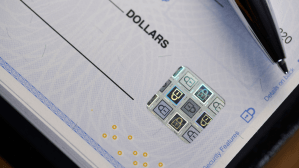
What is Check Fraud? How it Happens and Why it’s Increasing

Check fraud may sound like an old problem, but it’s still one of the fastest-growing types of financial fraud, and it can affect anyone. While many payments now happen online, millions of people still use paper checks to pay rent, send gifts, make business payments, or cover bills. And any time money is moving, you can guarantee fraudsters are paying attention.

Check fraud has changed over the years. It’s no longer just about stolen checks or forged signatures. Today, criminals use a mix of theft, scams, and technology to steal money and personal banking information. Understanding what check fraud is and why it’s increasing can help you protect your money and avoid becoming a victim.

What is Check Fraud?

Check fraud happens when someone uses a check illegally to steal money or gain access to personal and financial information.

That can mean stealing a check from the mail, creating a fake check, changing the details on a real check, or using scams to convince someone to deposit a fraudulent check.

Checks include sensitive information like your full name, address, account number, and routing number. In the wrong hands, that information can be used for more than just one transaction. And because checks can take time to process, fraud may not be discovered right away.

Why is Check Fraud Increasing?

One of the biggest reasons check fraud continues to rise is mail theft. Criminals often target residential mailboxes, mailrooms, and public mail collection boxes looking for outgoing payments like rent checks, utility bills, or gifts. Once a check is stolen, it can be altered, copied, or used to access personal banking information – turning one stolen envelope into a much larger financial problem.

Checks Still Contain Valuable Information

Checks contain a significant amount of personal and financial information in one place. This information can be used not only to steal from your account, but also to create counterfeit checks or commit other types of financial fraud. That makes checks especially valuable to criminals looking for easy access to sensitive information.

Scams are Evolving

Check fraud is no longer limited to physical theft. Scammers now use fake job offers, prize notifications, and online marketplace scams to send bogus checks and pressure victims into sending money back. These scams often create urgency and can look convincing.

Fraud Spreads Faster Online

Social media, online job boards, and digital marketplaces make it easier for scammers to reach more people, especially younger adults. A fake opportunity can spread quickly and look legitimate.

Who is Most at Risk?

Anyone who uses checks, or receives them, can be at risk. But some groups may face greater exposure.

  • Renters and Households Paying Bills by Check: Rent payments and mailed bills often involve large amounts of money and predictable timing, making them attractive targets.
  • Small Business Owners: Businesses may issue multiple checks each month for payroll, vendors, or operations. More transactions can mean more opportunities for fraud.
  • Older Adults and Seniors: Many older adults still rely on checks for bills, gifts, or charitable giving. They may also be more likely to use the mail regularly, increasing exposure to mail theft.
  • Families Managing Shared Accounts: When multiple people use the same account, unusual activity can be easier to miss if no one is reviewing statements regularly.
  • Younger Adults and First-Time Workers: Younger generations may not write many checks, but they are often targeted through fake job scams, prize scams, and online marketplace scams.

Many of these scams also involve electronic checks, where a scammer sends a fake check digitally or instructs the victim to deposit or transfer funds electronically before the check fully clears.

A scammer may “hire” someone, send a check for supplies or equipment, and ask the recipient to send money back. Later, the check bounces – and the victim is unfortunately responsible for the lost money.

Why it Matters

Check fraud can create more than just financial loss – it can disrupt your life. Victims may face:

  • Unauthorized withdrawals
  • Delayed bill payments
  • Missed rent or utility payments
  • Overdraft fees
  • Account freezes
  • Stress and time spent resolving fraud

For some households, even a temporary loss of funds can create serious challenges. In fake check scams, victims may lose money they willingly sent – without realizing the original check was fake. The more you understand about how check fraud works, the better prepared you are to recognize suspicious situations and protect yourself.

Simple Steps to Protect Yourself

You do not need to stop using checks altogether, but it helps to use them carefully. Start with these simple habits:

  • Mail checks from secure locations, like inside the post office.
  • Avoid leaving outgoing mail in your mailbox overnight.
  • Review your bank account regularly.
  • Set up transaction alerts through your financial institution.
  • Be cautious of checks connected to job offers, prizes, or urgent requests.
  • Contact your financial institution quickly if something feels wrong.

Check fraud is growing, but knowledge and simple habits can help reduce your risk.

Check yourself – stop check fraud before it starts.

Article Source: Made in partnership with the American Association of Credit Union Leagues, America’s Credit Unions, and TruStage

Protect Yourself From Check Fraud Scams

Despite the rise of digital banking, check fraud remains a prevalent financial scam. Scammers use sophisticated techniques to steal and manipulate checks, often leaving victims unaware until it’s too late. Understanding how check fraud works and how to recognize suspicious activity can help protect your finances.

What is Check Fraud?

Check fraud occurs when criminals manipulate, forge, or steal checks to illegally access funds.

Common Types of Check Fraud

  • Check Washing: Thieves steal legitimate checks — often from mailboxes, and modify key details, such as the recipient’s name or the payment amount, before cashing or selling them.
  • Check Kiting: Using multiple accounts to write and deposit bad checks, temporarily covering insufficient funds before withdrawing cash.
  • Forgery: Criminals create counterfeit checks or forge signatures to access funds fraudulently.
  • Fake Checks: Scammers trick victims into depositing fraudulent checks, often under the guise of prize winnings, job opportunities, or overpayment schemes. Once the check is cashed, the fraudster requests the money be sent back, leaving the victim responsible when the check bounces.

How to Recognize Check Fraud

Recognizing fraudulent checks early can help you avoid financial loss. Be on the lookout for these red flags:

  • Unexpected Checks: If you receive a check from an unknown source, verify its legitimacy before depositing it.
  • Spelling and Formatting Errors: Poor grammar, misspelled words, or inconsistent fonts can indicate a counterfeit check.
  • Unusual Check Amounts: If the check amount exceeds what was agreed upon, it may be a scam.
  • Discrepancies in Mailing Address: If the check was mailed from a different location than the issuing bank, proceed with caution.
  • Request for Money Transfers: Be wary if someone asks you to deposit a check and send a portion of the money back. This is a common scam tactic.
  • Lack of Security Features: Legitimate checks include watermarks and security threading. If these features appear altered or missing, the check may be fraudulent.

How to Prevent Check Fraud

While fraudsters are persistent, there are steps you can take to reduce your risk:

  • Use Secure Payment Methods: Opt for electronic payments, online bill pay, or peer-to-peer payment apps (Zelle, Venmo, etc.) instead of checks when possible.
  • Write Checks with a Fraud-Resistant Pen: Gel pens with permanent ink can make it harder for criminals to alter check details.
  • Check Your Mail Frequently: Avoid leaving checks in your mailbox where they can be stolen and deposit them directly inside a bank or electronically right away.
    • If you deposit electronically, keep the check in a secure place and shred it once it clears.
  • Enroll in Informed Delivery: The U.S. Postal Service offers a free service that notifies you of incoming mail, helping you detect missing mail sooner.
  • Monitor Your Bank Statements: Regularly check your accounts for unauthorized transactions and report suspicious activity immediately.
  • Verify the Issuing Bank: If you receive a check from an unfamiliar source, call the bank listed on the check using the contact information from their official website.

What to Do If You’re a Victim of Check Fraud

If you suspect check fraud, take immediate action to minimize financial loss:

  • Notify Your Bank: Report the fraudulent activity and request a hold on your account if necessary.
  • File a Police Report: Document the fraud with your local law enforcement agency.
  • Report to Federal Agencies: The FTC, U.S. Postal Inspection Service, and the FBI’s Internet Crime Complaint Center accept reports of financial scams.
  • Monitor Your Credit: Fraudsters who steal checks may also attempt identity theft. Consider using credit monitoring tools to detect future unauthorized activity.

Stay Protected with First Financial

Check fraud can happen to anyone, but awareness and preventative measures can keep your finances secure. By staying vigilant and following these best practices, you can reduce your risk of falling victim to check scams. If you suspect fraud or unusual transactions on any of your First Financial accounts, call us at 732.312.1500 or visit your local branch today.