7 Signs You Can’t Afford to Buy a Home

House made of woman hands isolated on dollars background

Making the leap from renting to buying is thrilling and liberating — for many, it signifies the realization of “the American Dream.” Buying a home is also a long-term commitment, and one that requires strong financial standing. If any of these signs strike a chord, you may want to delay taking on a mortgage in the near future.

1. You have a low credit score.

Before considering home ownership, you’ll want to check your credit score, which you can do through free sites like Credit Karma, Credit.com, or Credit Sesame.

“The higher your score, the better the interest rate on your mortgage will be,” writes personal finance expert Ramit Sethi in “I Will Teach You to Be Rich.” Good credit can mean significantly lower monthly payments, so if your score is not great, consider delaying this big purchase until you’ve built up your credit.

2. You have to direct more than 30% of your income toward monthly payments.

Personal finance experts say a good rule of thumb is to make sure the total monthly payment doesn’t consume more than 30% of your take home pay.

“Any more than that, and your finances are going to be tight, leaving you financially vulnerable when something inevitably goes wrong,” write Harold Pollack and Helaine Olen in their book, The Index Card. To be fair, this isn’t always possible. While there are a few exceptions, aim to spend no more than 1/3 of your take home pay on housing.

3. You don’t have a fully funded emergency savings account.

And no, your emergency fund is not your down payment.

As Pollack and Olen write, “We all receive unexpected financial setbacks. Someone gets sick. The insurance company denies a medical claim. A job is suddenly lost. However life intrudes, the bank still expects to receive their monthly mortgage payments. Finance your emergency fund. Then think about purchasing a home. If you don’t have an emergency fund and do own a house, chances are good you will someday find yourself in financial turmoil.”

Certified financial planner Jonathan Meaney recommends having the equivalent of a few years’ worth of living expenses set aside in case there is a job loss or other surprise. “Unlike a rental arrangement with a one or two year contract and known termination clauses, defaulting on a mortgage can do major damage to your credit report,” he tells Business Insider. “In addition, a quick sale is not always possible or equitable for a seller.”

4. You can’t afford a 10% down payment.

Technically, you don’t always have to put any money down when financing a home today, but if you can’t afford to put at least 10% down, you may want to reconsider buying, says Sethi.

Ideally, you’ll be able to put 20% down — anything lower and you will have to pay for private mortgage insurance (PMI), which is a safety net for the bank in case you fail to make your payments. PMI can cost between 0.5% and 1.50% of the mortgage, depending on the size of your down payment and your credit score — that’s an additional $1,000 a year on a $200,000 home.

“The more money you can put down toward the initial purchase of a home, the lower your monthly mortgage payment,” Pollack and Olen explain. “That’s because you will need to borrow less money to finance the home. This can save you tens of thousands of dollars over the life of the loan.”

Need help calculating if you can afford to buy a home or what your monthly payments will be based on what you put down? Check out our free mortgage calculators at firstffcu.com!

5. You plan on moving within the next five years.

“Home ownership, like stock investing, works best as a long term proposition,” Pollack and Olen explain. “It takes at least five years to have a reasonable chance of breaking even on a housing purchase. For the first few years, your mortgage payments mostly pay off the interest and not the principal.”

Sethi recommends staying put for at least 10 years. “The longer you stay in your house, the more you save,” he writes. “If you sell through a traditional realtor, you pay that person a fee — usually 6% of the selling price. Divide that by just a few years, and it hits you a lot harder than if you had held the house for ten or twenty years.” Not to mention, moving costs can be high as well.

6. You’re deep in debt.

“If your debt is high, home ownership is going to be a stretch,” Pollack and Olen write. When you apply for a mortgage, you’ll be asked about everything you owe — from car and student loans to credit card debt. “If the combination of that debt with the amount you want to borrow exceeds 43% of your income, you will have a hard time getting a mortgage,” they explain. “Your debt-to-income ratio will be deemed too high, and mortgage issuers will consider you at high risk for a future default.”

7. You’ve only considered the sticker price.

You have to look at much more than just the sticker price of the home. There are a mountain of hidden costs — from closing fees to taxes, that can add up to more than $9,000 each year, real estate marketplace Zillow estimates. And that number will only jump if you live in a major US city.

You’ll have to consider things such as property tax, insurance, utilities, moving costs, renovations, and perhaps the most overlooked expense: maintenance. “The actual purchase price is not the most important cost,” says Alison Bernstein, founder and president of Suburban Jungle Realty Group, an agency that assists suburb-bound movers. “What’s important is how much it’s going to cost to maintain that house,” she tells Business Insider.

Stop into any First Financial branch and we can help you with your home buying journey. We provide great low rates and offer a variety of Mortgage options – to speak with First Financial’s lending department, call us at 732.312.1500 option 4.* 

First Financial also offers a Mortgage Rate Text Messaging Service so you can receive updates on our low Mortgage Rates straight to your mobile phone. You can subscribe to our Mortgage rate text message service by signing up for text alerts, and receive instant notification when our mortgage rates change.**

*APR = Annual Percentage Rate. Subject to credit approval. Credit worthiness determines your APR. Rates quoted assume excellent borrower credit history and are for qualified borrowers. Your actual APR may vary based on your state of residence, approved loan amount, applicable discounts and your credit history. Higher rates may apply depending on terms of loan and credit worthiness. Minimum mortgage loan amount is $100,000. Available on primary residence only. The Interest Rates, Annual Percentage Rate (APR), and fees are based on current market rates, are for informational purposes only. Rates and APRs listed are based on a mortgage loan amount of $250,000. Mortgage insurance may be required depending on loan guidelines. This is not a credit decision or a commitment to lend. If mortgage insurance is required, the mortgage insurance premium could increase the APR and the monthly mortgage payment. See Credit Union for details. A First Financial membership is required to obtain a Mortgage and is open to anyone who lives, works, worships, or attends school in Monmouth or Ocean Counties.

**You must check the Text Message Signup box when registering in order to receive rate change text messages.+ If you do not receive an automated confirmation message after enrolling, please text “Yes” to (201) 808-1038

+The Text Message Signup box must be checked in order to receive text messages. Standard text messaging and data rates may apply.

Article Source: Kathleen Elkins for Business Insider, http://www.businessinsider.com/signs-you-cant-afford-to-buy-a-home-2016-4

6 Reasons to Take Out a Smaller Mortgage Than You Qualify For

Money house on white background

Whether you’re buying your first home or your fifth, being approved for a larger-than-expected mortgage can be intoxicating. But qualifying for a big loan isn’t the same as being able to afford it — and you don’t want your biggest asset to ruin your finances.

Look at what happened during the Great Recession: Believing their homes would appreciate in value, many people borrowed more than they could handle. When their homes lost value instead, those homeowners were stuck with underwater mortgages — loans that exceeded their home’s worth. This made it impossible for many to refinance or sell their homes for a profit, and led to a flood of foreclosures.

Before you sign up for a mortgage, ask yourself “How much house can I afford?” Many financial advisors and consumer advocates recommend that you borrow less than you qualify for. These are a few of the reasons why.

1. You’ll lower your risk of missing a payment. If your housing costs are on the edge of what you can afford, “the odds of not being able to make payments in the event of an economic emergency or a job loss is much too high,” says Casey Fleming, a mortgage advisor with C2 Financial Corporation and author of “The Loan Guide: How to Get the Best Possible Mortgage.”

Missing a mortgage payment can have a domino effect on your finances. “If you are at risk of missing a payment,” Fleming says, “you are at risk of being in default, risk of ruining your credit, and risk of foreclosure, which would wipe out your investment in the home.”

To ensure that the home you’re considering is within your budget, take all housing costs into account, including your mortgage payments, property tax payments, insurance premiums, maintenance costs and, if applicable – homeowners association fees.

2. You’ll be prepared for emergencies. Life can be rough – you might lose your job or face a medical emergency that drains thousands from your savings. You might have to move before you’re able to build significant equity in your home.

“Many people are on the razor’s edge when it comes to being able to tolerate any kind of economic disruption in their life,” says Brian Sullivan, a supervisory public affairs specialist with the U.S. Department of Housing and Urban Development.

Close to half of all American households don’t have enough savings to stay above the poverty line for three months if they lost their income, according to recent findings from the Corporation for Enterprise Development.

Getting a smaller mortgage than you qualify for will allow you to stash away extra money so you can handle hardships. Experts advise keeping enough money in your savings to cover six months of living expenses. You should also be saving for life after retirement.

“If all of your money is going to your monthly housing costs, then you aren’t able to invest in your retirement accounts or other savings,” Fleming says. “The closer you are to the maximum qualifying mortgage, the closer you are to having too little disposable income and inadequate reserves.”

3. You can more easily afford other costs. Part of the fun of owning a home is filling it with things you want and need. If you have children, you might need to set aside money for college. Let’s also not forget the costs of fixing a leaking roof or a busted water heater.

If you have to make other debt payments on credit cards, auto or student loans — it’s in your best interest to opt for a smaller monthly mortgage payment, and put your savings toward these expenses.

4. You can avoid using your home like an ATM. When less of your monthly budget is taken up by the mortgage, you’ll have more disposable income and be less tempted to use a cash-out refinance— the process of replacing your current mortgage with a larger one and pocketing the difference to buy a new car or pay off credit card debt.

A cash-out refinance can be risky because you’re putting your home on the line. If you miss a few credit card payments, you won’t lose your home. It’s another story when you can’t make higher mortgage payments after a cash-out refinance. “A home is shelter first and foremost, as opposed to an ATM for wealth creation,” HUD’s Sullivan says.

5. You’ll be prepared if property taxes rise. “You don’t know what will happen to property taxes in the future, which affect your mortgage payment,” says Lorraine Griscavage-Frisbee, deputy director of the Office of Outreach and Capacity Building at HUD. Depending on where you live, property tax rates may increase annually.

“Many municipalities tie taxes on their properties to the current value of the home. If someone is maxed out on their mortgage payment, they may not have any wiggle room if next year the tax bill goes up because of appreciating property values,” Griscavage-Frisbee says.

6. You can decrease your risk of having an underwater mortgage. Your home’s value isn’t guaranteed to increase over time. If it drops and you don’t have enough equity built up, you could end up owing more than the house’s market value, which is sometimes called having negative equity.

Over 4 million homes were in negative equity positions at the end of 2015, according to a report by real estate industry research firm CoreLogic. That’s an improvement compared with conditions immediately after the last housing bust, but Fleming says it’s still dangerous to count on home appreciation.

“If real estate values rise dramatically, it may work out well in the end anyway, but it seems very dicey to put all your eggs in one basket. If it doesn’t work out, you could end up with no assets at all,” he says.

A borrowing rule of thumb:
So how much should you borrow? Your debt-to-income ratio — the percentage of your pre-tax income that goes toward mortgage and other debt payments — is one way to figure out how large your loan should be. Professionals say 28% is a safe target.

You can also use a mortgage calculator, like our free mortgage payment calculator at firstffcu.com – to see what you might pay and be able to afford each month. In some cases, it does make sense to borrow what you qualify for. We also have a mortgage qualifier calculator at firstffcu.com. If you have a high income, plan on staying in your home for at least seven years, are buying in a competitive market, or have sky-high rent payments, there is some flexibility in the 28% rule. But if you can go lower than 28%, you should. That way, you’ll be more likely to feel comfortable — financially and otherwise, living in your home.

Stop into any First Financial branch and we can help you with your home buying journey. We provide great low rates and offer a variety of Mortgage options – to speak with First Financial’s Loan Department, call us at 732.312.1500, option 4.* 

First Financial also offers a Mortgage Rate Text Messaging Service so you can receive updates on our low Mortgage Rates straight to your mobile phone. You can subscribe to our Mortgage rate text message service by signing up for text alerts, and receive instant notification when our mortgage rates change.**

*APR = Annual Percentage Rate. Subject to credit approval. Credit worthiness determines your APR. Rates quoted assume excellent borrower credit history and are for qualified borrowers. Your actual APR may vary based on your state of residence, approved loan amount, applicable discounts and your credit history. Higher rates may apply depending on terms of loan and credit worthiness. Minimum mortgage loan amount is $100,000. Available on primary residence only. The Interest Rates, Annual Percentage Rate (APR), and fees are based on current market rates, are for informational purposes only. Rates and APRs listed are based on a mortgage loan amount of $250,000. Mortgage insurance may be required depending on loan guidelines. This is not a credit decision or a commitment to lend. If mortgage insurance is required, the mortgage insurance premium could increase the APR and the monthly mortgage payment. See Credit Union for details. A First Financial membership is required to obtain a Mortgage and is open to anyone who lives, works, worships, or attends school in Monmouth or Ocean Counties.

**You must check the Text Message Signup box when registering in order to receive rate change text messages.+ If you do not receive an automated confirmation message after enrolling, please text “Yes” to (201) 808-1038

+The Text Message Signup box must be checked in order to receive text messages. Standard text messaging and data rates may apply.

Article Source: Michael Burge for Nerd Wallet, http://www.huffingtonpost.com/nerdwallet/6-reasons-to-take-out-a-s_b_11077442.html

Is There Such a Thing as Good Debt?

3d man sitting sad with text 'debt'.Most of the time, the word “debt” has negative connotations. Debt costs you money and therefore takes money away from financial goals like saving and investing.
So could there ever be good debt? That’s no easy answer. How you use debt has a big impact on whether or not you can consider it “good.” If you have too much of a “good” thing — that’s when it can turn into bad debt. So let’s consider 3 types of debt: investing in a college education, buying a home, and starting a business.

1. Are Student Loans Always Good Debt?
Student loans aren’t always good debt, because most people don’t consider how long they’ll be paying back their student loans when they take them out. But that doesn’t make them bad. If you take them out to obtain a job that you could have only secured with a college education and earn enough to make your student loan repayments manageable, your student loan debt was a good debt.

Here are some tips for student loans:

  • Keep your total loans under your projected starting salary when you graduate. If you’re able to do that, you should be able to pay them off with the standard 10-year plan.
  • Cut down on the loan amount. Get college credits while you’re in high school, go to a community college for your first two years, stick to a state school, and apply for scholarships.
  • Get a job to pay for your living expenses while you’re in school so you don’t take out loans for living expenses.
  • Keep in mind that private student loans don’t offer the flexibility of federal loans, so try to apply for federal student loans first.

2. How Much Should I Borrow for a Mortgage?
Owning a home used to be considered the American dream, and for many people it still is. Most people need to take out a mortgage for their purchase. If you think you’ll be in the same area for several years and can put a 20% down payment on a home, a mortgage could be a good long-term investment. Interest rates on mortgages are historically low, and owning a home can also provide tax benefits. The nice thing about a home is that it’s an investment you can live in.

However, many people end up buying a home without thinking about how it will affect their lifestyle or how they’ll pay their mortgage if an emergency came up. To avoid this, here are a few rules of thumb:

  • Make a 20% down payment so you can avoid paying private mortgage insurance.
  • Don’t use your entire savings account for a down payment. Homes are a hotbed for dipping into your emergency savings, as there are far more unexpected expenses that come up than when you’re living in an apartment.
  • Boost your credit score before you buy. Make sure you have a score above 700 so you can qualify for the best mortgage rates available. This can save you thousands of dollars in interest over the life of the loan.
  • If you think you might move in the next five years, you might want to rent so you don’t have to move during a down market and possibly sell your home for a loss.
  • In figuring out your monthly housing costs, the principal and interest on the mortgage loom large. But don’t forget property taxes, insurance, utilities, repairs, landscaping, snow removal and other factors. Make sure that your monthly housing expenses leave room for other expenses too.

We offer a number of great mortgage options, including refinancing – click here to learn about our 10, 15, 20, and 30 year mortgage features and see what a good fit for your home is!*

First Financial also offers a Mortgage Rate Text Messaging Service so you can receive updates on our low Mortgage Rates straight to your mobile phone. You can subscribe to our Mortgage rate text message service by signing up for text alerts, and receive instant notification when our mortgage rates change.**

3. What About Using a Loan to Start a New Business?
Entrepreneurship seems to be the new job security for many people in this generation. Incurring debt to start a business can be good debt if the funds help you to build a sustainable livelihood that allows you to repay any money borrowed and improve your financial situation. Just be cautious of how much debt you’re taking on.

Follow these tips to be financially smart and successful in your business:

  • Self-fund your business venture with savings first.
  • The smaller the investment, the quicker you can make money.
  • Do your research and get experience in the field before your launch. Some business opportunities require much bigger up-front investments, which may lead to a small business loan.

Did you know First Financial offers Business accounts, loans, and services? We understand that not every business is the same and, therefore, not every loan need can be the same.  This is exactly why we look at each individual business and create a customized lending solution to meet your specific needs. Please contact us at business@firstffcu.com and we’ll be happy to provide you with more information on business loans and services.

Debt Costs Money, So Use it Wisely
Debt can be good, but only if it helps you leverage your assets to build wealth. Every good debt has the potential to turn bad, so do your research first. The fewer monthly obligations you have, the more money you have to fund a lifestyle that you love.

Don’t forget about our free, online debt management tool, Debt in Focus. In just minutes, you will receive a thorough analysis of your financial situation, including powerful tips by leading financial experts to help you control your debt, build a budget, and start living the life you want to live.

* A First Financial membership is required to obtain a mortgage and is open to anyone who lives, works, worships, or attends school in Monmouth or Ocean Counties.  Subject to credit approval. See Credit Union for details.

**You must check the Text Message Signup box when registering in order to receive rate change text messages.+ If you do not receive an automated confirmation message after enrolling, please text “Yes” to (201) 808-1038

+The Text Message Signup box must be checked in order to receive text messages. Standard text messaging and data rates may apply.

The Hidden Costs of Buying a Home

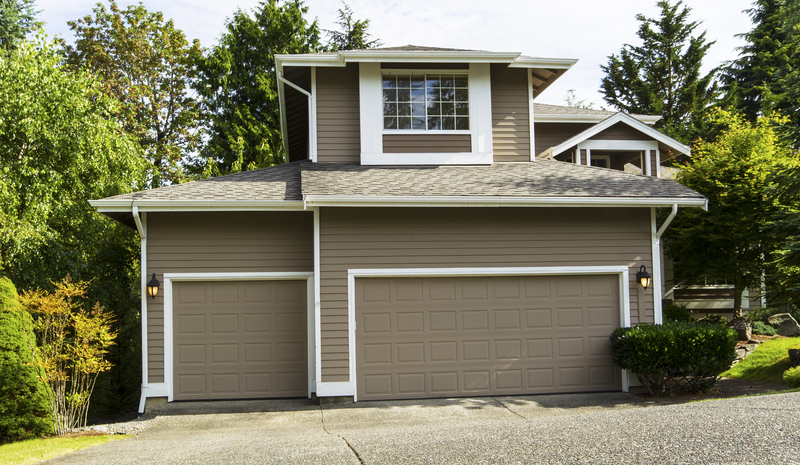
American home with three car garageYou’re looking for a house and see the perfect listing. And it has a big number on it, say $300,000. If you’re like most prospective homeowners, you imagine you will soon be talking to a lender and getting a loan for this amount.

But as veteran homebuyers may already know, you are going to pay much more than $300,000.

Yes, almost everything we buy has a hidden cost. You buy a toothbrush for a few dollars, and since you’ll have to purchase toothpaste, the ownership cost of a toothbrush is more than $2 – especially if you throw in a toothbrush holder. Obviously, the hidden costs of buying a house are far more complex. And if you aren’t prepared for them, you may come away from the experience feeling as if you’ve had the wind knocked out of you.

So if you’re thinking of buying your first house, be alert and prepared for these hidden costs that you need to keep in mind:

Home inspection costs. Before you close on a house, your mortgage insurer may require a home inspection, which can run several hundred dollars. But even if an inspection is not required, it’s worth paying a professional to evaluate the house so you can avoid spending hundreds of thousands on a train wreck disguised as a house.

Survey costs. Your lender may want you to have a professional survey of the property, so everyone knows exactly where your land’s boundaries are. That’s another several hundred dollars.

Taxes. You probably know you’re going to be paying taxes, but it can be easy to forget that you’ll likely need to pre-pay those taxes at closing. At the beginning of your mortgage, it can be a shock when you’re saddled with paying a couple months’ worth of property taxes, maybe a year’s worth of homeowner’s insurance, and possibly homeowner’s association dues as well.

Fees. Maclyn Clouse, a finance professor at the Reiman School of Finance at the University of Denver, rattles off a list of fees you may also pay at closing:

  • Government recording charges: The cost for state and local governments to record your deed, mortgage, and loan documents.
  • Appraisal fee: The cost for an appraiser to decide how much your house is worth.
  • Credit report fee: Your lender had to pay to get your credit report, so oftentimes you will cover that cost.
  • Title services and lender’s title insurance: Fees related to your home’s title.
  • Flood life of the loan fee: The government tracks changes in your property’s flood zone status, you’ll pay a small fee.
  • Tax service fee: Another pretty minor fee – this service ensures the taxes previously paid on the house are up to date (if your home was previously owned).
  • Lender’s origination fee: The charge for processing your loan application.

Moving costs. Will you be gathering friends and family to help you move your furniture and possessions into your home, or do you need a moving truck? Don’t forget about the cost of movers, if you are hiring them.

Total cost of ownership. Someone will have to mow the lawn with the mower you’re fated to buy, or you’ll hire a service. You’ll also probably need furniture and maybe a major appliance, like a washing machine. Even paint and paint supplies costs money and adds up quicker than you think.

Be ready for anything. Some houses (previously owned) come with propane or oil tanks, and at closing buyers have been asked to reimburse the sellers for the fuel remaining in the tank – in certain cases.

Looking for a mortgage? Check out First Financial’s mortgages, featuring great rates and low fees. We also have a 10 year mortgage as well – great for refinancing!* 

First Financial also offers a Mortgage Rate Text Messaging Service so you can receive updates on our low Mortgage Rates straight to your mobile phone. You can subscribe to our Mortgage rate text message service by signing up for text alerts, and receive instant notification when our mortgage rates change.**

*APR = Annual Percentage Rate. Subject to credit approval. Credit worthiness determines your APR. Rates quoted assume excellent borrower credit history and are for qualified borrowers. Your actual APR may vary based on your state of residence, approved loan amount, applicable discounts and your credit history. Higher rates may apply depending on terms of loan and credit worthiness. Minimum mortgage loan amount is $100,000. Available on primary residence only. The Interest Rates, Annual Percentage Rate (APR), and fees are based on current market rates, are for informational purposes only. Rates and APRs listed are based on a mortgage loan amount of $250,000. Mortgage insurance may be required depending on loan guidelines. This is not a credit decision or a commitment to lend. If mortgage insurance is required, the mortgage insurance premium could increase the APR and the monthly mortgage payment. See Credit Union for details. A First Financial membership is required to obtain a Mortgage and is open to anyone who lives, works, worships, or attends school in Monmouth or Ocean Counties.

**You must check the Text Message Signup box when registering in order to receive rate change text messages.+ If you do not receive an automated confirmation message after enrolling, please text “Yes” to (201) 808-1038

+The Text Message Signup box must be checked in order to receive text messages. Standard text messaging and data rates may apply.

Article Source – Geoff Williams of Money.USNews.com: http://money.usnews.com/money/personal-finance/articles/2014/03/12/the-hidden-costs-of-buying-a-home

5 Costly Home Buying Myths

Moving HouseIf you’re considering buying or selling a home, you may have asked co-workers, friends and family for advice. But you might want to check with the professionals, because the rules of the real estate game are different today than they were 20 or even 10 years ago. Due to this monumental shift, there are lots of misconceptions about buying a home that could cost you big when it comes time to go house hunting. Here are five of the most common real estate myths.

1. You Have to Use a Real Estate Agent. If you’re thinking about buying or selling a house without a real estate agent to save on commission, it’s important to understand the full impact of that decision. Buying and selling is a lot of work and there’s a reason real estate agents still exist and are involved in almost all transactions. For most of us, the sale of a house represents one of the biggest financial transactions we’ll ever make.

It’s nice to have someone there guiding you along the way. But while having an agent can be a good thing, doing it on your own is not as unimaginable as it once was. Sites like Redfin and Zillow have virtually eliminated the need for the multiple listing service and many homebuyers are finding properties for themselves before contacting a real estate agent. If you’re the do-it-yourself type, you might just be able to buy or sell a home on your own in today’s market.

2. Buying Always Beats Renting. One reason people give for not wanting to rent is: “I don’t want to pay someone else’s mortgage.” However, there are hidden costs that go into owning a home. The nice thing about renting is that you can always leave for a nicer place for a year or two. Or maybe you lose your job and need to downgrade for a few months before you get on your feet again. Once you buy a house, there’s a lot less flexibility. Just the fees involved in buying and selling a house will make a major dent into your savings if you sell too soon after buying.

3. This House Is Special. Once you’ve finally found that perfect house, the inclination is to think you won’t find another that you like nearly as much. There will always be another property. If something doesn’t feel right or the price is too high, don’t be afraid to wait for the next one. As long as you have realistic goals, no house will ever be truly one of a kind.

4. Your Credit Must Be Perfect. With the recent housing bubble, came a wave of lending restrictions and loan tightening. Most people assume that they have to have stellar credit to get a loan these days, but that’s not always the case. Lenders are often willing to work with buyers who have less-than-perfect credit. If you’re concerned about your credit, you may want to work on your credit score before you buy; people with higher credit scores are offered the lowest interest rates on mortgages.

5. A 20% Down Payment is a Must. Twenty percent used to be the magic number when it came to down payments, but it’s certainly not the only option. It’s possible to get a mortgage now with little or no money down. If you have a stable income but are unwilling or unable to fund a large down payment, you may still be able to buy a home.

Apply for a 10, 15, 20, or 30 year First Financial Mortgage today!* You can also subscribe to our Mortgage rate text message service by signing up for text alerts, and receive instant notification when our mortgage rates change.***

* A First Financial membership is required to obtain a mortgage and is open to anyone who lives, works, worships, or attends school in Monmouth or Ocean Counties.  Subject to credit approval. See Credit Union for details.

Note: You must check the Text Message Signup box when registering in order to receive rate change text messages.+ If you do not receive an automated confirmation message after enrolling, please text “Yes” to (201) 808-1038

+The Text Message Signup box must be checked in order to receive text messages. Standard text messaging and data rates may apply.

Article Source: http://www.foxbusiness.com/personal-finance/2013/12/19/5-costly-homebuying-myths/

equal%20housing%20lender%20logo-resized-600

What Kind of Home Buyer Are You?

You picked your neighborhood, know your price range and are ready to start shopping for a new home. But before you start your hunt, it’s important to identify what kind of buyer you are to avoid wasting time.3D dollar house

For many home buyers, school district, neighborhood and affordability dominate the decision-making process, but knowing your “buyer personality” will help define and focus your search.

For instance, if you want a move-in-ready home but never convey that to your realtor, you can waste time looking at fixer uppers. Or if you care about the environment, you may want to see only green homes, which could require a more specialized agent.

Personality #1: The Move-in-Ready Buyer

These are the home buyers who want to purchase a house that only requires them to move in their furniture and start decorating.

These buyers are not afraid to look at many properties to find the perfect home that won’t force them to roll up their sleeves for improvements or repairs.

Personality #2: The Minimalist Buyer

Minimalist buyers aren’t afraid to make changes to a home as long as they are minor.  This type of buyer is drawn to homes that are structurally sound, but may need some new paint, updated curb appeal or other minor cosmetic changes.

Personality #3: The Fixer Upper Buyer

This group of buyers can see the potential of almost any home and aren’t afraid to buy a home needing renovations.

Sometimes these buyers are first-time buyers looking for a home to put their stamp on something and other times it’s a savvy buyer looking to make money off a property with a repairs and renovations. Either way, a fixer-upper buyer won’t think twice about remodeling the basement, bathroom or even the entire house.

Personality #4: The Life Timer Buyer

The recession has changed the way people view the home buying process, and many first-time home buyers aren’t looking for the starter home – they are seeking out a home they can stay in for 10, 20 or even 30 years.

These buyers tend to have young children, planning a family or have multiple generations living under one roof. They plan to buy a home and stay in it for the long haul.

Life-time buyers may not be at a certain life cycle when they purchase the home but have the ability to plan for the future and purchase accordingly.

Personality #5: The Eco-Warrior Buyer

For this type of buyer, going green isn’t a fad–it’s a lifestyle. The eco-warrior buyer is always looking for ways to conserve natural resources and wants to buy a home that is energy efficient and uses minimal water and electricity.

An eco-warrior also wants a home that is close to work, entertainment and groceries to reduce his/her carbon footprint. Since eco-warriors have very specific requirements whether its geo thermal heating or solar panels, they should go with a real estate agent that specializes in that area.

Figured out what type of buyer you are and ready to take the next step? Apply for a First Financial Mortgage today!*

You can also subscribe to our Mortgage rate text message service by texting “firstrate” to 866-956-9302, and receive instant notification when our mortgage rates change.**

*A First Financial membership is required to obtain a mortgage and is open to anyone who lives, works, worships, or attends school in Monmouth or Ocean Counties.  Subject to credit approval. See Credit Union for details.

**Standard text messaging and data rates may apply.

Article Source: http://www.foxbusiness.com

ENGLISH insurance labelequal%20housing%20lender%20logo-resized-600