
Easy Money or Money Mule?

A money mule acts as a layer of distance between a scammer and their victims by handling stolen funds on behalf of someone else, either knowingly or unknowingly. Money mules make a scam harder to trace and the money harder to find.

Beware of offers that promise quick cash or a commission in exchange for receiving money and then sending it to someone else. This may take the form of a fake job opportunity, investment scheme, or prize award.

As an example, the scammer may approach an unsuspecting victim online or by phone with the promise of a financial windfall. In some cases, they may send the person a lump sum, ask them to transfer a portion of it to another account, and keep the rest for themselves. It sounds like easy money, but acting as a money mule is illegal – even if the person is unaware they are committing a crime.

Another tactic is for a scammer to say that they’re unable to receive funds through a particular payment method and need someone else to help by accepting a payment into their bank account. In reality, they are scamming someone out of funds and using another person as a middleman to help cover their tracks. After the money transfers are completed, the money mule could be held criminally responsible for their participation – whether they knew it was a scam or not.

Protecting Yourself from Money Mule Scams

It’s important to only send and receive money with those you know and trust. If a stranger requests that you handle money for them, stop communicating with them immediately. If you find that an unexpected deposit has been made in your account and someone you don’t know calls and claims it belongs to them, hang up and contact your financial institution.

Follow These Tips to Avoid Becoming a Money Mule

  • Don’t agree to send or receive money or packages for people you don’t know or haven’t met in person.
  • Do not take a job that promises easy money – especially if it involves sending or receiving money or packages.
  • It’s not a good idea to open a bank account or cryptocurrency account at someone else’s direction.
  • Refuse to send money to an online love interest, even if they send you money first.
  • You should never pay to collect a “prize” or send someone money out of your “winnings.”

At First Financial, our goal is to help protect our members from scams and identity theft. If you have any concerns or questions about any of your First Financial accounts, please call member services at 732.312.1500 or visit one of our branches.

To learn more about scams and ways to protect yourself, visit zellepay.com/pay-it-safe.

Zelle and the Zelle related marks are wholly owned by Early Warning Services, LLC and are used herein under license.

How to Determine if a Donation Appeal is for Real or a Scam

Charitable donations are a great way to make an impact on the causes you care about. But when tragedy strikes, scammers may prey on the generosity of those trying to support the victims. Scammers often request donations on social media or crowdfunding websites – or may contact you by phone, text, or email.

Common Characteristics

Charity scams occur when a scammer tricks someone into sending them money for what they believe is a worthy cause. Be on the lookout for these common characteristics of a scam.

  • Emotional appeals. Scammers may try to tug at your heartstrings by highlighting victims of natural disasters, such as wildfires or hurricanes – with an urgent appeal for donations that purportedly go toward food or shelter. Scammers commonly try to get people to act on emotion rather than logic.
  • Unusual language and names. Pay close attention to the details in any request you receive – especially poor grammar and spelling errors. Scammers may try to slightly alter a real charity’s name or website by changing a single letter and hoping you won’t notice the difference.
  • Specific payment method. Be wary if a “charity” requires you to donate through a digital payment platform or other non-refundable payment method.

Even if a charity seems real, it’s important to research the organization and look for reviews before you decide to donate. You can also do an online search for the name of the charity with the word “scam” or “complaints” to see if others have reported any issues. If you’re unable to verify a charity’s authenticity, you may want to donate elsewhere. When it comes to sending money, always remember to slow down and ask yourself questions. If something doesn’t feel right, trust your instincts.

At First Financial, our goal is to help protect our members from scams and identity theft. If you have any concerns or questions about any of your First Financial accounts, please call member services at 732.312.1500 or visit one of our branches.

To learn more about scams and ways to protect yourself, visit zellepay.com/pay-it-safe.

Zelle and the Zelle related marks are wholly owned by Early Warning Services, LLC and are used herein under license.

Don’t Fall Victim to AI Voice Cloning Phone Scams

At First Financial, your safety has always been our utmost priority. We believe in not just safeguarding your financial assets, but also in ensuring you are informed and protected against the evolving threats in our digital age. One such alarming development that we wish to bring to your attention is the rise in AI (artificial intelligence) voice cloning scams.

Understanding AI Voice Cloning Scams

In a typical scenario, scammers will utilize artificial intelligence and voice cloning technology to create a near perfect imitation of a person’s voice. Armed with this technology, fraudsters can impersonate loved ones – demanding emergency funds or posing as genuine businesses and government agencies to deceive people into sharing their personal and financial information.

How It Works

To clone a voice, scammers only really need a short audio clip of the intended person. Surprisingly, these clips can easily be sourced from public platforms like social media. This evolution of scams has been observed by significant entities such as the Federal Trade Commission, which has raised alerts about this alarming trend.

To put things in perspective, 2022 witnessed a significant surge in phishing attacks attributed to the availability of AI. This new age scam is an offshoot of the well-known “grandparent scam,” which institutions like AARP have warned their members about.

Spotting the Scam

Although the technology behind these scams is advanced, there are some common indicators:

  • Requests for urgent payment – especially via wire transfers, cryptocurrency, social media, or gift cards.
  • AI generated texts that have repetitive words, short sentences, lack idioms or contractions, or make implausible statements.
  • Suspicious communication from “genuine” organizations or from someone you know. Always independently verify the source by calling them on your own using the publicly listed business phone number or the phone number saved in your contacts, before taking action.

A Real Life Experience

Jennifer DeStefano shared her harrowing encounter with News 12 New Jersey to raise public awareness. She received a call demanding a $1 million ransom, with the caller threatening that they had kidnapped her daughter. The chilling part? The voice of her sobbing daughter in the background sounded undeniably real. The relief came when she discovered her daughter was safe with her husband. The traumatic voice she’d heard was an AI generated clone.

How to Protect Yourself

  • Skepticism is Key: Be wary of any unusual payment requests via gift cards, wires, or cryptocurrency. If it sounds too strange, it likely is.
  • Analyze the Language: Pay attention to any odd phrasing, repetitive words, or short, robotic sentences in text communication.
  • Keep Plans Private: Be mindful of the personal details and plans you share on social media, as well as if your profile is public or if you have any public videos online with your or a loved one’s voice recorded.
  • Don’t Trust Caller ID Blindly: Scammers have the means to mask their numbers, as well as make them look like a legitimate organization’s phone number.
  • Report Suspicious Activity: Always report any potential scam to local authorities and the FTC.

At First Financial, we pledge to continue our relentless pursuit of safeguarding your well-being in all facets of your financial journey. Let’s work together to protect our community, financial assets, and personal information from falling into the wrong hands.

If you ever have any concerns or questions about any of your First Financial accounts, please call member services at 732.312.1500 or visit one of our branches. Check out our First Scoop blog to stay up to date on the latest scams.


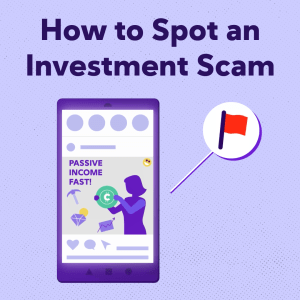
Protect Your Savings from Investment Scams

We all dream of financial success, but when it comes to investing, we have to be cautious. Scammers will tout a once-in-a-lifetime opportunity that will earn high returns with little to no chance of loss. These investment scams take a variety of forms, from financial coaching and management schemes to cryptocurrency and fake investment companies. After the unsuspecting investor sends their money, the other person disappears – and then the money is gone.

Signs of an Investment Scam

A scammer may post an ad online – or contact you via phone, text, or email with an unsolicited offer that seems too good to be true. But there are some red flags you can look for that may indicate the opportunity is actually a scam.

  • No Risk of Loss. Be wary of opportunities that advertise a way to make easy money fast and promise financial security for years to come. Typically, all investments require some level of risk.
  • Use of Pressure Tactics. You might see an “exclusive offer” to join a program for a limited time. This is a pressure tactic designed to rush you into making a decision without thinking it through or fully vetting the opportunity.
  • Upfront Payment is Required. If an investment opportunity requires you to send money upfront through cryptocurrency or a digital payment method, don’t engage.

Ways to Avoid an Investment Scam

If you think a scammer may be targeting you, remember to slow down and ask questions. If something seems too good to be true, it probably is. Pay close attention to the details and do thorough research before making any financial decisions. You can also contact the Better Business Bureau and any applicable government agencies to see if other consumers have filed complaints against an individual or company.

At First Financial, our goal is to help protect our members from scams and identity theft. If you have any concerns or questions about any of your First Financial accounts, please call member services at 732.312.1500 or visit one of our branches.

To learn more about scams and ways to protect yourself, visit zellepay.com/pay-it-safe.

Zelle and the Zelle related marks are wholly owned by Early Warning Services, LLC and are used herein under license.


Protect Your Small Business from Payment Scams

It is often assumed that payment scams only happen to individuals, but small businesses are also frequent targets for scammers. These maneuvers can often go unnoticed because the scam is embedded within typical business operations. The best line of defense is knowing what to look for.

Here are three types of scams targeting small businesses:

Fake Invoices. A scammer will send a fake invoice hoping to trick a business owner, or one of their employees, into paying for products or services they never ordered or received. Their hope is that the invoice will blend in with the others and will be paid without anyone giving it a second look. The fake invoice could be for office supplies, domain hosting or other services, and it can arrive via email or regular mail.

Intentional Overpayments. A customer overpays for a product or service. That may not sound like a scam, but it can be. After overpaying with a check or credit card, the scammer contacts the business with an apology for the overpayment and asks for a refund of the excess amount through a digital payment, pre-loaded debit card, or a wire transfer. After the refund is completed, the business owner discovers that the original check has bounced, or the credit card used for the purchase was stolen. Now the business has issued a refund for a payment they never actually received.

In another scenario, the scammer claims to make an online payment for more than the amount due. They present a fake receipt for the purchase and claim that the funds are being held by the payment provider until the overpaid amount has been refunded. Like the scenario above, after the refund is issued, the original payment never comes through.

Office Supply Scam. A business receives an unexpected phone call from someone claiming to represent a reputable office supply company, perhaps one there is already an existing business relationship with. The caller tries to sell surplus merchandise at a reduced price, citing a cancellation or over-order by another purchaser. A payment is made, but the merchandise never arrives.

Here are ways businesses can protect themselves from these types of scams:

  • Pay close attention to invoices and other requests for payment. Make sure items have been received and services completed. Check with employees to verify who placed the order and confirm the payment should be processed.
  • Conduct regular audits of all financials and keep documentation for all orders and purchases. This will help to detect fake accounts and invoices.
  • Establish payment authorization procedures, including a multi-person approval process for transactions above a certain dollar amount.
  • Understand your payment options. Digital payments can be quick and efficient, but when purchasing goods or merchandise, a business credit card may be a better option. Many credit card companies offer built-in buyer protections for cardholders. Check the terms and conditions of your credit card to see what’s offered. Avoid paying any vendor using pre-paid debit cards and gift cards, which can be untraceable if the vendor doesn’t fulfill their commitment.
  • Educate employees. If the staff knows about these scams, they’ll be more likely to spot one and avoid falling victim.

Above all, slow down and ask questions. Never be rushed into making a payment. Urgency is a tactic scammers use to steal money before the victim has time to think it through.

At First Financial, our goal is to help protect our members from scams and identity theft. If you have any concerns or questions about any of your First Financial accounts, please call member services at 732.312.1500 or visit one of our branches.

To learn more about scams and ways to protect yourself, visit zellepay.com/pay-it-safe.

Zelle and the Zelle related marks are wholly owned by Early Warning Services, LLC and are used herein under license.

How to Avoid Summer Vacation Scams

Summer is upon us, and after a long year – most of us are more than ready for a vacation. However, while we all look forward to that long-awaited break, it’s essential to be aware of the potential risks that can arise – such as summer vacation scams.

Scammers have developed sophisticated tricks to exploit travelers, especially during high-demand periods like the summer vacation season. Here’s how you can avoid being their next victim, and ensure a relaxing and trouble-free vacation.

Research Thoroughly

It’s no surprise many of us are looking online for travel deals — especially as inflation continues. According to a new McAfee Report, 56% of travelers say they’re using the internet to search for travel bargains, with 35% saying they would try new booking sites in order to snag a good price.

But in the world of the digital age, it’s easy to fall for ‘too good to be true’ deals or discounts when you’re eager for a break.

Make sure you are booking through a reputable travel agency or website. Look for reviews and ratings of the service or property you are interested in. Keep in mind, scam websites can often look quite legitimate – so make sure to look for secure URLs that begin with ‘https’ and be cautious of those asking for a bank transfer as the only payment method.

Be Wary of Unsolicited Offers

One common scam tactic involves sending unsolicited emails, texts, or even calls offering unbeatable vacation deals. These offers may look like they’re from well-known travel agencies or airlines, complete with logos and official looking email addresses. For instance, you may receive an email stating that you’ve “won a free trip” or “you’ve been selected for a heavily discounted luxury vacation.”

Be particularly cautious if these messages include a sense of urgency, such as “limited time offer” or “claim within the next 24 hours.” These are red flags that the offer could be a scam. Instead of clicking on any links or replying to these unsolicited offers, go directly to the travel company’s official website or contact them directly to verify the legitimacy of the offer. This extra step can save you from falling into a well-laid scam trap.

Use Secure Payment Methods

Scammers often ask for payment methods that are hard to trace, such as wire transfers or prepaid gift cards. Always use secure payment methods when booking your vacation. Credit cards offer the best protection against fraud, as they have built-in safeguards and allow you to dispute charges if you become a victim of a scam. At First Financial, we offer zero fraud liability for all our credit cards so you can have added backup on all your purchases. You can even earn perks like points for travel-related purchases when you use the First Financial Cash Plus Credit Card.*

Double Check Rental Listings

Renting a private home or apartment for your vacation can provide a more personal and unique experience than a hotel. However, it also comes with its risks. Scammers often list properties that they don’t own or that don’t even exist. To protect yourself, never pay outside of the platform you are booking through and always check for multiple photos and reviews of the property.

Get Everything in Writing

Avoid verbal agreements and get all details, including the total cost, cancellation policies, and what the package includes – in writing. This provides a record and helps you avoid unpleasant surprises during your vacation.

Consider a Travel Agent or Insurance

In an era of DIY travel planning, it’s easy to overlook the benefits of working with a professional travel agent. Reputable travel agents have the expertise and insider knowledge to help you navigate the vast sea of vacation options. They have established relationships with hotels, airlines, and tour operators – which means they can often offer packages and deals that you wouldn’t find on your own.

More importantly, a reliable travel agent provides an additional layer of security against potential scams. They vet the companies they work with, ensuring the legitimacy of your accommodations, flights, and other travel arrangements. It’s also important to consider getting travel insurance to cover unforeseen events such as trip cancellations, delays, or medical emergencies. Make sure to read the policy carefully to know what it covers.

Summer vacations should be about relaxation, fun, and making memories, not dealing with scams. While the tips above can help you avoid most scams, always remember that if something seems too good to be true – it probably is.

Stay safe and travel smart with First Financial. Let us help you navigate your financial journey with ease and security. Check out our First Scoop blog for more fraud prevention tips.

Happy travels!

*Your First Financial Visa® Cash Plus Credit Card will earn cash back based on your eligible purchase transactions. The cash back will be applied to your current credit card balance on a quarterly basis and be shown cumulatively on your billing statement. Unless you are participating in a limited time promotional offer, you will earn 1.5% cash back based upon eligible purchases each quarter. APR varies up to 18%, when you open your account based on your credit worthiness. This APR is for purchases and will vary with the market based on the Prime Rate. Subject to credit approval. Rates quoted assume excellent borrower credit history. Your actual APR may vary based on your state of residence, approved loan amount, applicable discounts and your credit history. No Annual Fees. Other fees that apply: Balance Transfer and Cash Advance Fees of 3% or $10, whichever is greater; Late Payment Fee of $29, $10 Card Replacement Fee, and Returned Payment Fee of $29. A First Financial membership is required to obtain a Visa® Credit Card and is available to anyone who lives, works, worships, volunteers, or attends school in Monmouth or Ocean Counties.
