Tips for Improving Your Financial Literacy

April is Financial Literacy Month, so we’re sharing our top tips for improving your financial wellness. Whether you’re new to managing a budget or are looking to save for a big future purchase, these tips will help you achieve your goals while maintaining a reasonable financial balance.

What is financial literacy?

Financial literacy refers to the knowledge and use of financial management skills, including budgeting, investing, saving, etc. By having an understanding of finances, you’ll be able to make better financial decisions. Achieving financial literacy is a lifelong process that requires continuous learning and management, and we’re here to help!

Here are our best tips for improving your financial literacy.

Learn how to budget

Don’t let the idea of creating a budget scare you. If anything, successfully building and maintaining a budget can be empowering. Start by creating a list of essential expenses including housing costs, food, transportation, clothing, internet, cell phone, insurance, and more. Then, write down how much you spend on each. From there, you’ll need to add up your monthly income and deduct your expenses. The amount leftover should be used toward building your savings and/or for any less essential purchases.

Improve your credit score

Maintaining a good credit score is an important part of your financial future. Without a good score, you’ll have difficulty securing a loan or mortgage down the line. Here’s what you can do over time to better your credit:

  • Pay your bills on time
  • Pay off or pay down your credit cards
  • Don’t close any open credit cards, but slow down opening new credit card accounts
  • Contact a financial expert – like us!

Open a savings account

Whether you need an emergency fund, money for retirement, or to pay a large expense – having a savings account is essential. You can start by dedicating a certain amount of your paycheck toward your savings. While it’s recommended to keep 20% of your income for savings and debt repayment, you’ll need to evaluate what works within your budget and when you’ll need the funds. Even if you’re starting small, you’ll be surprised how quickly the account can grow!

Want to open a savings account?* We’re here for you! Contact us or stop into your local branch to speak with a representative today.

Subscribe to financial newsletters

Stopping at the library and picking up some financial literature might not be everyone’s cup of tea. So, starting with digestible, yet informative articles is ideal. That’s why we recommend subscribing to newsletters (like ours!) with timely resources that cover a wide range of financial topics. The First Financial monthly e-newsletter delivers helpful tools and financial advice right to your inbox, so you can focus on achieving your monetary goals. You can sign up at the bottom of our website homepage, by entering your name and email address.

Talk to a financial professional

If anything, it’s always helpful to speak directly with a financial expert who can give you advice based on your individual situation. Contact us to get started or stop into your local branch to speak with a representative today!


*A $5 deposit in a base savings account is required for credit union membership before opening any other account/loan. All personal memberships are part of the Rewards First program and a $5 per month non-participation fee is charged to the base savings account for memberships not meeting the minimum requirements of the program. Click here to view full Rewards First program details. Some restrictions apply, contact the Credit Union for more information.

Car Maintenance Tips to Save You Money

It’s safe to say owning a vehicle can be expensive. Between gas, oil changes, tires, maintenance, and insurance, you can expect to have a good portion of your budget go toward car upkeep. In fact, AAA says the average cost of car ownership is about $10,000 per year. There are ways, however, to cut back on costs with proper vehicle maintenance and savvy budgeting. Here are our top car maintenance tips that will help save you money down the road.

Get your car washed and buy touch-up paint

This is not just a vanity suggestion – regularly cleaning and waxing your car protects your paint by preventing rust and residue that can damage the finish to your vehicle. This is especially important during harsh winters and if you park your car outside. Touch-up paint can seal chips and cracks before they become a bigger problem as well.

Don’t ignore your tires

Under-inflated tires will wear them down more quickly and negatively impact your gas mileage. Plus, low pressure tires can affect braking and make steering less responsive. This is not only dangerous for your car, but also for you. Thankfully, most gas stations have free or low cost air pumps you can use.

Shop around for mechanics

Sure, finding a mechanic is easy – but finding one with honest prices can be a challenge. Don’t just go for the convenient option, read reviews and ask friends and neighbors for recommendations. When you do find the right mechanic, research rates ahead of the appointment. Websites like RepairPal can give you an idea of what you should expect to pay for a particular repair, and connect you to certified mechanics in your local area.

Order parts online

Need to replace a part of your vehicle but the estimated price from the repair shop is too high for your liking? Your best bet would be to look online for parts. You’ll likely find better deals that way, even with shipping fees.

Consider repairing what you can at home

Many repairs and maintenance tasks can be done right in your driveway. Even if you’re not an experienced mechanic, you can likely change out spark plugs, oil, filters, and more with a quick Google search or YouTube video. You can also try tapping into your network to see if you have a friend or family member who can help. This way you can save on expensive labor fees!

Looking for a new or pre-owned vehicle? Our auto loans have great low rates, so you can have a new ride AND lower monthly payments! Visit a First Financial branch or contact the Loan Department to speak with a representative today!

*APR = Annual Percentage Rate. Not all applicants will qualify, subject to credit approval. Additional terms and conditions may apply. Actual rate may vary based on credit worthiness and term. First Financial FCU maintains the right to not extend credit, after you respond, if we determine you do not meet our guidelines for creditworthiness. Current loans financed with First Financial FCU are not eligible for review or refinance. A First Financial membership is required to obtain an Auto Loan and is available to anyone who lives, works, worships, volunteers or attends school in Monmouth or Ocean Counties. See credit union for details. A $5 deposit in a Base Savings Account is required to establish membership prior to opening any other account/loan.


Steps to Improving Your Credit Score

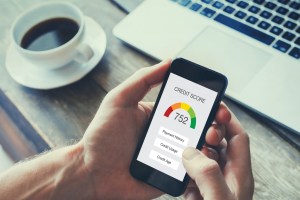
Maintaining a good credit score is an important part of building your financial future. Not only does your credit score help lenders determine your credit risk, but it also affects the interest rates and fees you pay. Without a good credit score, you’ll have difficulty securing a loan or mortgage down the line. But don’t stress! If you take action to improve your credit score now, it will start increasing in no time.

What makes up your credit score?

Understanding your credit score is a crucial piece of planning your financial success. The bulk of your credit score is made up of your payment history (such as on time or late payments) and the amount owed. Additional factors include the length of credit, new credit (or the accumulation of debt in the last 12-18 months), and the type of credit.

What will hurt your credit score?

Maintaining a good credit score means being cautious with how your handle your money. Your credit score can be negatively impacted by:

  • Missing or late payments
  • Maxing out credit cards and shopping for credit excessively
  • Opening up numerous loans and credit cards in a short time frame
  • Closing credit cards out (as this could lower your available capacity)
  • Borrowing from finance companies

How to improve your credit score

Poor credit won’t haunt you forever, and it’s still completely possible to turn your credit score around! While there is no quick fix, there are long-term improvements you can make to help boost your score over time.

Here’s what you can do to better your credit:

  • Pay your bills on time – You may have to set a reminder on your phone so you don’t forget, but this is very important!
  • Pay off or pay down your credit cards. Come up with a payment plan that focuses on paying down the highest interest cards first, even if that means maintaining minimum payments on your other accounts in the meantime. The goal is to keep credit card balances low and pay them off when possible.
  • Don’t close credit cards – This may decrease your capacity, thus negatively impacting your score.
  • Slow down on opening new accounts as this approach could backfire and actually lower your credit score.
  • Contact a financial advisor or creditor if you’re having trouble making ends meet. They will help you better manage your credit and pay on time.

Don’t let your credit score stop you from bettering your financial future! Use our guide to managing your credit and getting out of debt for additional tips and resources, or stop into your local branch to speak with a representative!

How to Spot Identity Theft and Ways it Can be Used Against You

ID theft is unfortunately very commonplace today, and sometimes it can be unavoidable. Keep reading to find out a few ways you can safeguard your personal and financial information, how to spot if identity theft might be happening to you, and ways that having your identity stolen can be used against you.

3 Main Signs Your Identity Has Been Stolen:

  • There are accounts you don’t recognize on your credit report.
  • There are unfamiliar transactions on your credit card or bank statements.
  • The IRS informs you that more than one tax return has come in under your name.

Ways ID Theft Can Be Used Against You:

  • The identity thief may use your information to get credit, a loan, or another service in your name. This will ultimately affect your credit score, and potentially your credit usage and how much you’ll be approved for – if not spotted in time.
  • Your own money could be stolen right out of your bank account. If the identity thief uses your personal information to login to your bank accounts, your money could be stolen right out from under you.
  • Your tax refund could get stolen. If you go to file your taxes and are notified by the IRS that they already have a return filed under you, this is a very good indicator that an identity thief has already gained access to your tax refund.
  • Your Social Security Number could be used to work at a job you don’t actually have. An identity thief who has access to your SSN may use it for their own employment purposes. This could also directly affect your tax return, as it would add extra income you will be taxed on.
  • Your health insurance could be used to provide medical care or prescriptions to an identity thief.
  • Your personal and financial information could be used to file a false unemployment claim. This would mean unemployment benefits are being issued in your name to someone else.

There are a few things you can put in place to spot ID theft right away, and to help thwart it off:

  • Be sure you are reviewing an annual free credit report. At least once a year, go to annualcreditreport.com and review your credit report for accounts you didn’t open yourself, or to see if there were any credit inquiries that are not yours. You’ll want to check for credit cards you didn’t open, and car or personal loans you did not apply for. Utility services will also appear on your credit report, so you’ll also want to make sure you actually have the ones listed on it.
  • Check your bank statements often. At least once a month, review your bank and credit card statements to check for accuracy. Be sure the purchases listed were ones made by you. If not, call your financial institution to dispute any incorrect charges right away.
  • Sign up for email or text alerts. Most banks and credit cards offer purchase alerts that you can setup for your accounts. Check your mobile app or online banking settings to see what your alert options are. Here at First Financial, our members have access to First Financial Wallet. If you haven’t already, get started today!
  • Review your health insurance statements. Take note of any medical bills or explanation of benefits statements that arrive in the mail. If you don’t recognize a medical procedure or expense listed, call your health insurance provider immediately.

For more ways to protect your identity, check out our identity theft prevention guide.

Article Source: consumer.ftc.gov

Preventing Cyber Fraud

Online and mobile fraud have certainly become more commonplace and extra concerning these days. Unfortunately, just a password is no longer enough to protect your important personal information against the threat of a cyber data breach. Keep reading to find out important ways to protect yourself and your personal and financial data online.

  • Set-up multi-factor authentication (MFA) on your various accounts. What is MFA? This is a secondary layer of security used to verify your identity. This means in addition to logging in as normal, you would also receive a confirmation email or text with a temporary code that is typically only valid for a few minutes. This second layer of protection allows the bank account you’re logging into, app, social media platform, or online shopping site (even Amazon has a two-factor authentication option for logging into your account) to verify that it’s really you and not a fraudster. Logging in with a fingerprint or Face ID is also considered an MFA option. Using MFA will allow you to be much less likely to get hacked. The more layers of security protection you have, the better!
  • Be sure your software and OS are up to date. Always make sure your online and mobile security software has been updated. This means any anti-virus programs you’re running, firewalls, your computer, smartphone and tablet operating systems (OS), as well as apps and software. Making sure your devices are up to date means that there are no security holes present or ways to gain access to your secure data. An easy way to be sure this is set-up is to enable automatic device updates, or allow your device to perform the update each time you see a notification. Don’t wait until it’s too late!
  • Beware of suspicious emails, calls, and texts. Even if the message or call appears to be from your financial institution. Also be weary of any links that may appear in emails or texts. Clicking on a fraudulent link can be a phishing or malware scam which enables an online criminal to gain access to your bank accounts and personal data. If you receive a message or call that you are unsure of, hang up and don’t click on any links. Instead, call or stop into your trusted financial institution and ask them if they were in fact trying to contact you. An important note to remember is that a legitimate financial institution, business, or organization will never typically contact you out of nowhere and ask you to reveal any personal or financial information (they already have it).
  • Be careful when using public Wi-Fi. If you are logging into your mobile banking app or any secure accounts (especially ones that have access to credit or debit cards), be sure you are not on public Wi-Fi. This makes it easy for a cyber thief to hack into your device through a shared network. Login to these types of sites at home using your secure password protected network, and if you absolutely must login while on the go – be sure to turn off your device’s Wi-Fi connection first. How to know a browser or network is secure? You’ll see a padlock icon within the corner of the browser. This means that you’re on a safe, encrypted network.
  • Use strong passwords and security questions. When you do need to create a password, make sure it’s a strong one that’s hard to crack. For instance – avoid using common names, words, and phrases. Also refrain from using numbers that are in order (ex: Hello123 is not a secure password), and try to also use special characters or substitute characters for letters/numbers (ex: F$rst!97). When setting up security questions, choose ones that only you would know personally and that would be extremely difficult to guess.
  • Monitor your accounts and set-up notifications. It’s always a good idea to monitor your frequently used and bank accounts on a daily basis. This will allow you to check for any fraudulent transactions or purchases you did not make. Another useful tip is to setup account alerts for your bank accounts – most financial institutions or credit cards will allow you to set-up email or text alerts for purchases, debits over a certain amount, low balance alerts, phone or online transactions, and more. Enabling these notifications will allow you to see instantly when a transaction was made that was not done by you.

As always, if you find any fraudulent transactions or receive any suspicious communications regarding your First Financial account – please contact us right away at 732.312.1500 or by emailing info@firstffcu.com.

Also remember that First Financial will never ask you for online or mobile banking login codes you receive, under any circumstances. We will also not ever ask you to download any remote desktop applications to your device.

You can rest assured that First Financial’s Online Banking and Mobile App are protected with various MFA capabilities. We also have the First Financial Wallet App, where you can keep track of all your First Financial card purchases and receive real time alerts right to your mobile phone.

THINK First because There’s Harm In Not Knowing!