
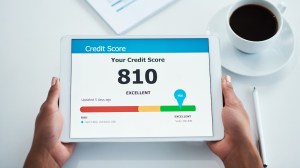
 When it comes to credit scores, there’s a lot of misinformation floating around. It’s common to worry that one wrong financial move will instantly damage your credit, but the reality is that not every action affects your score the way you might think.
Understanding what does and does not impact your credit score can help you make more informed financial decisions and avoid unnecessary stress. Here are some things that surprisingly do not hurt your credit score.
Checking Your Own Credit Score
One of the biggest credit myths is that checking your own score will lower it. Fortunately, that is not true. When you check your own credit, it’s considered a soft inquiry – which does not affect your score. In fact, regularly monitoring your credit can be a smart financial habit because it allows you to catch potential errors or signs of identity theft early.
You can access your free annual credit report at AnnualCreditReport.com.
Paying a Bill a Few Days Late
Life gets busy, and occasionally paying a bill a few days late may not hurt your credit score as much as people fear. In most cases, lenders do not report late payments to credit bureaus until they are at least 30 days past due.
That said, even if your credit score is not immediately affected – you could still face late fees or penalties depending on the lender. Setting up automatic payments or payment reminders can help you stay on track and avoid both fees and potential credit damage in the future.
Getting Denied for a Loan or Credit Card
Being denied for a loan or credit card can feel discouraging, but the denial itself does not hurt your credit score. In reality, lenders do not report denied applications as negative marks on your credit report. What may cause a small temporary dip is the hard inquiry that occurs when a lender reviews your credit application. However, a single hard inquiry usually has only a minor impact on most consumers.
If you are denied, it may simply mean the lender’s requirements did not align with your current financial situation. Reviewing the reason for the denial can actually help you better understand your finances and identify areas to improve before applying again in the future. Check out our recent article on this topic to learn more.
Paying Off a Loan
Paying off a loan is generally a positive financial accomplishment, even if your credit score temporarily changes afterward. In some cases, you may notice a small dip in your score after fully paying off a car or personal loan. This usually happens because your credit mix or average account age changes, and does not mean paying off debt is bad for your credit. Over time, responsible borrowing and on-time payments continue to support strong credit health.
Having Student Loans
Simply having student loans does not automatically hurt your credit score. In fact, installment loans such as student loans can help diversify your credit mix. The key factor is how the loans are managed. Making payments on time and keeping accounts in good standing can positively impact your credit over time. Missed payments, however, may negatively affect your score.
Closing a Checking or Savings Account
Closing a checking or savings account generally does not affect your credit score because deposit accounts are not typically included in standard credit reports. However, if an account is closed with unpaid fees or a negative balance, that situation could potentially impact your credit. Before closing any account, make sure all transactions and balances are fully resolved.
Shopping Around for Certain Loans
Many people avoid comparing lenders because they worry that multiple applications will damage their credit score. Fortunately, credit scoring models often recognize that consumers shop around for major loans such as mortgages, auto and student loans.
Multiple inquiries for the same type of loan within a short period are often grouped together and treated as a single inquiry for scoring purposes. This allows consumers to compare rates without significant long-term credit damage.
What Actually Impacts Your Credit
While the previously mentioned financial actions may not hurt your credit score, there are still several poor money management habits that can negatively affect your credit health over time, including:
- Missing payments
- Maxing out credit cards
- Defaulting on loans
- Frequently opening multiple new credit accounts
- Ignoring accounts sent to collections
At First Financial, we believe financial education is an important part of long-term financial wellness. Whether you’re working on building credit, improving your budget, or planning for future financial goals – our team is here to help support you along the way.
If you have questions about credit management, lending, or financial planning, contact us today or schedule an appointment at your local branch.
A First Financial membership is available to anyone who lives, works, worships, volunteers, or attends school in Monmouth or Ocean Counties. A $5 deposit in a base savings account is required for credit union membership prior to opening any other account. Contact the Credit Union for more information.
 blog.firstffcu.com